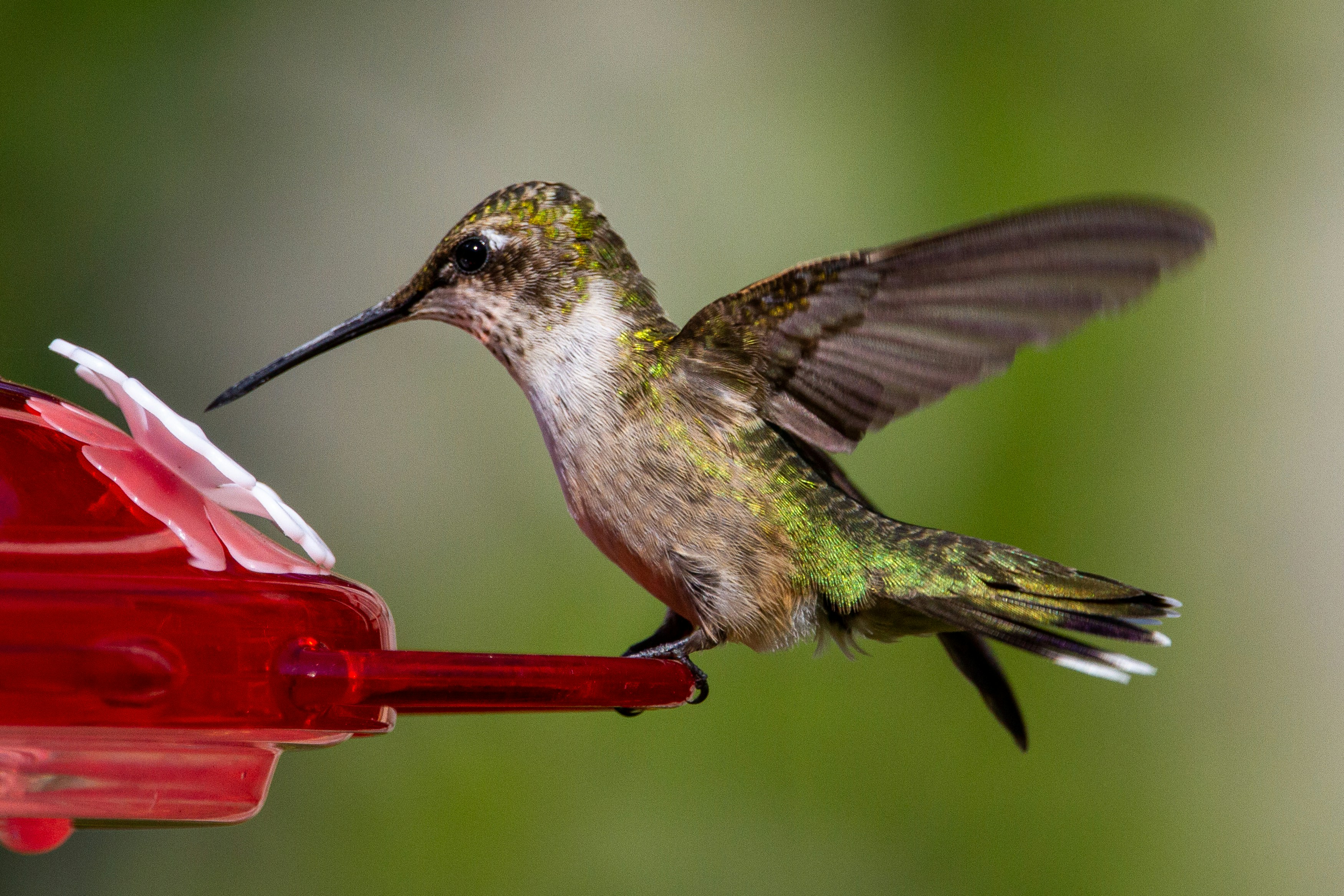
If you've ever watched a hummingbird hover at eye level, wings a blur, you already know why so many Canadians want to bring them closer. The right hummingbird feeder turns a rare glimpse into a daily show, but the wall of red plastic options online makes the choice harder than it should be. This guide cuts through that with honest picks, real Amazon.ca price ranges, and the practical details that actually keep birds coming back.
We'll cover when hummingbirds show up in your part of the country, four feeders worth buying, how to mix nectar that won't harm them, and where to hang everything for the best results.
This post contains affiliate links. If you buy through them, we may earn a small commission at no extra cost to you.
When hummingbirds arrive across Canada
Timing matters, because a feeder hung after the birds have already passed through does you no good. Most of Canada hosts the Ruby-throated Hummingbird, while the west coast and interior see Rufous, Anna's, and Calliope Hummingbirds. A good rule is to hang your feeder a week or two before the dates below.
Coastal British Columbia is the early bird. Anna's Hummingbirds now overwinter on Vancouver Island and the south coast, so some feeders stay up year-round there, and Rufous arrive from mid-March into early April. Interior BC and Alberta usually see their first Rufous and Calliope hummingbirds in early to mid-May.
On the Prairies, Saskatchewan and Manitoba welcome Ruby-throated Hummingbirds in early to mid-May. In Ontario, the deep south near Lake Erie can see them in late April, while most of the province fills in through the first half of May and the north a week or two later. Quebec follows a similar pattern, early to mid-May in the south and later toward the north.
In the Maritimes, New Brunswick, Nova Scotia, and Prince Edward Island typically get their first arrivals in early to mid-May. Newfoundland sees scattered Ruby-throats a bit later, often mid to late May. These dates shift year to year with the weather, so watch local birding groups for the first sightings near you.
The best hummingbird feeders available in Canada
There's no single best feeder for everyone. A small saucer is perfect for a balcony, while a large bottle suits a busy rural yard. Here's a quick comparison, followed by why each one earns its spot.
| Feeder | Capacity | Material | Approx. price (CAD) | Best for |
|---|---|---|---|---|
| Aspects HummZinger HighView | 12 oz | Polycarbonate | $50 to $60 | Best overall, easiest to clean |
| First Nature 32 oz | 32 oz | Plastic | $25 to $35 | Big yards, lots of birds |
| Kingsyard Glass with Ant Moat | 16 to 24 oz | Glass | $25 to $35 | Looks, value |
| Budget plastic saucer (2-pack) | 8 to 14 oz each | Plastic | $17 to $30 | Beginners, spacing feeders |
Best overall: Aspects HummZinger HighView
If you want one feeder that simply works, the Aspects HummZinger HighView 12 oz is the one we point beginners and longtime birders toward alike. It's a saucer-style feeder, which means the nectar sits below the ports rather than in an inverted bottle, so it almost never drips and is far less attractive to wasps. The whole top lifts off for cleaning in seconds, there's a built-in ant moat, and Aspects backs it with a lifetime guarantee.
The honest trade-offs: at 12 ounces it holds less than a big bottle feeder, so a busy yard means more frequent refills, and at $35 to $50 CAD it costs more than the no-name options. For most people the easy cleaning and durability are worth it.
Best for big yards: First Nature 32 oz
When several hummingbirds are squabbling over one feeder, capacity helps. The First Nature 32 oz Hummingbird Feeder holds a full litre of nectar across ten ports, and at roughly $20 to $30 CAD it's excellent value. The wide-mouth reservoir is genuinely easy to fill, and the bright red base pulls birds in from a distance.
Be aware that inverted bottle feeders like this one can drip in hot sun as the air inside warms and expands, and the larger size means you should still empty and clean it often rather than letting that much nectar sit and spoil. It doesn't come with an ant moat, so you may want to add one separately.
Best-looking and best value in glass: Kingsyard
Plastic does the job, but a glass feeder looks better in a garden and resists clouding over time. The Kingsyard Glass Hummingbird Feeder with Ant Moat comes in a range of colours and sizes from about 16 to 24 ounces, usually $25 to $35 CAD, with an ant moat included and bee-resistant ports. It's a popular middle-ground choice between cheap plastic and premium gear.
The trade-off is obvious: glass is heavier and can break if it blows down or slips during cleaning. Hang it somewhere sheltered and handle it with care.
Best budget pick: plastic saucer 2-pack
If you're just starting out or want to space several feeders around the yard, a budget plastic saucer feeder 2-pack is hard to beat at around $17 to $30 CAD for two. Saucer designs resist leaks and clean up easily, and having two feeders out of sight of each other reduces the territorial bickering that hummingbirds are famous for.
These thinner-walled feeders won't last as many seasons as a HummZinger, and the included ant or bee protection is hit or miss. For the price, they're a smart way to learn what works in your space before investing more.
How to make hummingbird nectar
You don't need to buy nectar. The recipe is simple, cheap, and safer than most store mixes.
Combine one part white granulated sugar with four parts water. Warm the water enough to dissolve the sugar fully, then let it cool to room temperature before filling the feeder. That's the entire recipe.
A few rules matter for the birds' health. Use only plain white sugar. Never use honey, which ferments and grows mould that can harm hummingbirds, and skip brown sugar, raw sugar, and artificial sweeteners, which offer no usable energy. Most importantly, don't add red food colouring. The dye is unnecessary because the feeder's red parts already attract birds, and there are real concerns about its effect on them. You can store extra nectar in the fridge for up to a week.
Where to place your hummingbird feeder
Placement separates a quiet feeder from a busy one. Hang yours in light or dappled shade rather than full afternoon sun, which spoils nectar quickly in our summer heat. Position it where you can see it from a window, ideally near flowering plants that hummingbirds already visit.
Spread multiple feeders out so the birds can't guard them all at once. Roughly three to five metres apart, out of sight of each other, cuts down the chasing and lets more birds feed. Keep feeders away from spots with heavy wasp and ant traffic, and use the ant moat if your feeder has one.
Window strikes are a real risk. Either place the feeder within about a metre of the glass, so a startled bird can't build up speed, or move it more than three metres away. If you want to draw in even more visitors beyond hummingbirds, our guide on how to attract more birds to your backyard pairs well with feeder placement.
Keeping the feeder clean
Dirty nectar is the single biggest reason feeders fail. In warm weather, change the nectar and rinse the feeder every two to three days, and even more often when temperatures climb above 30°C. Wash with hot water, and if you see cloudiness or black mould, scrub with a bottle brush and a weak vinegar-and-water solution, then rinse thoroughly. This is exactly why the easy-to-open saucer feeders earn their reputation.
Frequently asked questions
What is the best hummingbird feeder in Canada? For most people, a saucer-style feeder like the Aspects HummZinger HighView is the best overall choice because it resists leaks, deters wasps, and cleans in seconds. If you have a busy yard, a larger bottle feeder such as the First Nature 32 oz gives you more capacity for the money.
When should I put my hummingbird feeder out? Hang it a week or two before hummingbirds typically arrive in your province. That means mid-March on coastal BC, late April in southern Ontario, and early to mid-May across most of the Prairies, Quebec, and the Maritimes.
What is the ratio for hummingbird nectar? Use one part white sugar to four parts water. Dissolve the sugar in warm water, let it cool, and fill the feeder. No dye, no honey, no substitutes.
How often should I clean my hummingbird feeder? Every two to three days in warm weather, and more often in heat above 30°C. Spoiled or mouldy nectar can make hummingbirds sick, so when in doubt, change it.
Do hummingbird feeders attract bees and wasps? They can, especially inverted bottle feeders where nectar sits near the ports. Saucer feeders and bee-resistant ports help, and keeping the feeder clean and drip-free makes it far less appealing to insects.
Final thoughts
Choosing a hummingbird feeder comes down to matching the design to your space and how often you're willing to clean it. Start with the right feeder, mix simple sugar water, and hang it where you can enjoy the view, and you'll likely have visitors within days. Once the hummingbirds arrive, a decent pair of binoculars makes watching them even better, so have a look at our roundup of the best binoculars for beginner birders next.