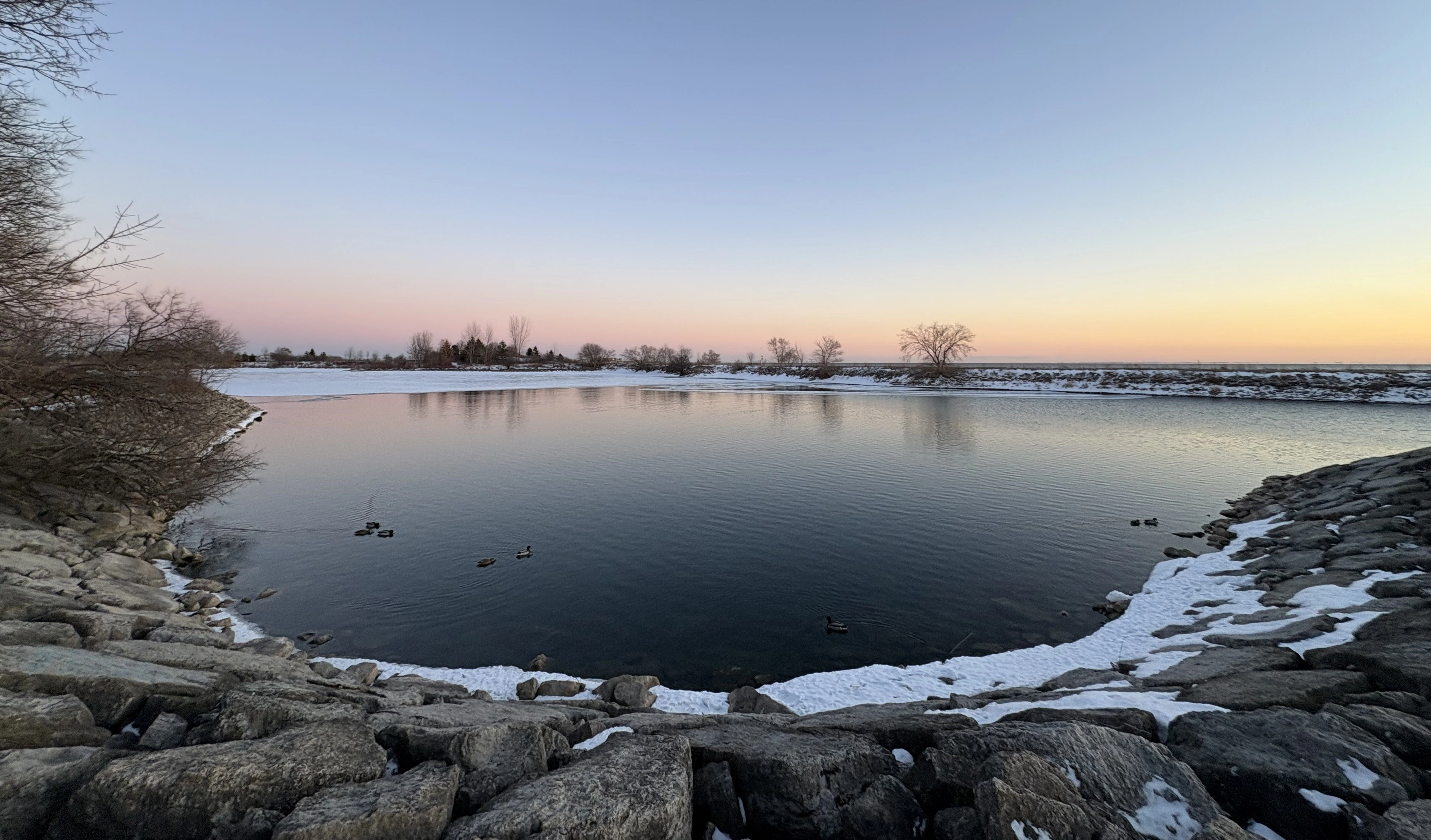
If you live anywhere in the west end of Toronto and you want a reliable place to find birds without leaving the city, Colonel Samuel Smith Park birding belongs near the top of your list. This narrow peninsula of naturalised lakefill pushes out into Lake Ontario in southern Etobicoke, and that one bit of geography turns it into one of the best birding spots in the Greater Toronto Area. Close to 300 species have been recorded here, and the park rewards repeat visits because the cast of characters changes completely from one season to the next.
Why this lakefront peninsula punches above its weight
Migrating birds moving along the north shore of Lake Ontario tend to follow the shoreline rather than strike out over open water. A point of land jutting into the lake concentrates them, which is why birders call places like this migration traps. In spring, northbound birds make landfall and pause to feed. In autumn, southbound migrants pile up at the tip, reluctant to launch across the lake until conditions are right. The result is a small park that consistently produces big numbers and the occasional rarity.
The land itself helps. Built on lakefill and left to naturalise, the park is now a patchwork of meadow, scrubby thickets, young woodland, an open shoreline, and a sheltered marina. That mix of habitats packed into a compact area gives a wide range of birds somewhere to settle, and it is part of why the site is designated an Environmentally Significant Area.
Spring migration: warblers, whimbrels, and songbirds
Spring is the showpiece season, and May is the peak. Songbirds funnel through the trees, and on a good morning the wooded depression that local birders call the Bowl can hold a dozen or more warbler species at once. Recorded spring warblers here include American redstart, black-throated blue, Blackburnian, bay-breasted, Cape May, palm, Wilson's, Canada, and the skulking mourning warbler, alongside scarlet tanagers, rose-breasted grosbeaks, Baltimore orioles, kinglets, and a steady turnover of sparrows.
The park's signature spring event is the whimbrel migration. These large, curve-billed shorebirds pass the shoreline in flocks every year, with numbers peaking around the 24th of May. Birders gather at the aptly named Whimbrel Point, where the Toronto Ornithological Club runs daily watches in late May, scanning the lake for flocks that whistle past and sometimes drop in to rest. The City of Toronto also hosts a spring bird festival at the park in May, timed to coincide with peak migration. Arrive early. The first few hours after dawn are when newly arrived migrants are most active and most likely to be feeding low and in view.
Summer breeders: who stays to nest
When migration winds down, the park settles into a quieter but rewarding summer rhythm. The standout breeders are the red-necked grebes that nest on floating platforms in the marina. The park sits near the eastern edge of this species' range, and watching their courtship displays and chick-rearing up close is a genuine highlight. Tree swallows arrive in early April and claim the nest boxes scattered through the park, while Baltimore orioles, yellow warblers, and red-winged blackbirds fill out the summer chorus. Cooper's hawks have nested in the conifers around the Bowl, so keep an eye on the treetops.
Summer is also a good time to slow down at the butterfly habitat, where pollinator plantings draw insects, sparrows, and finches. It is a relaxed season for beginners who want to practise identification on a smaller, more cooperative set of resident birds.
Fall migration: a second wave with raptors and sparrows
Autumn essentially runs spring in reverse, but it lasts longer and brings its own specialities. From late August into October, warblers, vireos, and flycatchers move through again, this time in trickier non-breeding plumage that makes for excellent identification practice. As the weeks cool, the mix shifts toward sparrows, including fox, white-throated, and white-crowned, often feeding along the edges of the trails.
The open lake setting makes the park a fine spot for watching migrating raptors overhead. Sharp-shinned hawks, red-tailed hawks, northern harriers, and turkey vultures all pass through, with the occasional bald eagle or osprey for good measure. The shoreline can hold migrating shorebirds, and late fall into early winter sometimes turns up an uncommon purple sandpiper on the rocks. By November, the first wintering owls begin to settle in.
Winter waterfowl and owls: the shoreline at its best

For many regulars, winter is the reason to come. As inland water freezes, ducks crowd onto Lake Ontario, and the view from the point and along the shoreline can be superb. Long-tailed ducks are the signature bird, often gathering in large rafts and filling the air with their yodelling calls. Look also for greater and lesser scaup, common goldeneye, bufflehead, common and red-breasted mergansers, hooded mergansers near the marina, and scoters farther out on the water. Red-necked grebes linger into winter too, swapped into their plain grey non-breeding plumage. A spotting scope is a real advantage here, since many of these birds sit well offshore.
Winter is also the season for owls. In most years the park hosts roosting long-eared owls and resident eastern screech-owls, and in irruption winters a snowy owl may turn up along the shore or out on the ice, drawing crowds. Owls are exactly the moment to slow down and bird carefully, which brings us to the next point.
Birding the park responsibly
Roosting owls are easily stressed, and a stressed owl is a vulnerable one. Keep a generous distance, never use playback or food to lure them, and do not press in for a closer photo or knowingly flush a bird from its perch. The same restraint applies to resting whimbrels at the point and to grebes on their nests. Stay on the established trails, keep dogs leashed, and if you find something sensitive, be thoughtful about how and where you share the location. Ethical birding keeps the park good for the birds and for everyone who comes after you.
Planning your visit
The park sits at the south end of Kipling Avenue. Drive south past Lake Shore Boulevard West and the road becomes Colonel Samuel Smith Park Drive, carrying you past the Humber College Lakeshore campus to a choice of two parking lots. The official address is 3145 Lake Shore Boulevard West, Etobicoke. The park is open year-round from dawn to dusk, and both entry and parking are free.
A paved multi-use trail runs the length of the peninsula and is suitable for bikes and wheelchairs, with smaller dirt paths branching off toward the shoreline, the marina, the Bowl, and the point. For most birds, early morning is best, especially during spring and fall migration after a night of clear flying weather. Winter is more forgiving on timing, since the waterfowl sit out on the lake through the day.
You do not need much gear to enjoy the park, but two things make a real difference. A comfortable pair of 8x42 binoculars is the single best upgrade for a new birder, and an entry-level option like the Celestron Nature DX 8x42 is a sensible place to start. If you want help choosing, our guide to the Best Binoculars for Beginner Birders in Canada walks through the options. A good regional field guide rounds out the kit, and The Sibley Field Guide to Birds of Eastern North America covers everything you are likely to see along the Lake Ontario shoreline.
Frequently asked questions
What is the best time of year to go birding at Colonel Samuel Smith Park? May is the busiest and most exciting, with peak songbird migration and the late-month whimbrel flights. Winter is a close second thanks to the waterfowl and owls. The park is genuinely worth visiting in all four seasons.
Can you see owls at Colonel Samuel Smith Park? Yes. Long-eared owls and eastern screech-owls are the most reliable in winter, and in irruption years a snowy owl sometimes appears along the shore or out on the ice. Always view owls from a distance and avoid disturbing them.
What ducks can you see on Lake Ontario at the park in winter? Long-tailed ducks are the highlight, often in large flocks. You can also expect greater and lesser scaup, common goldeneye, bufflehead, common, red-breasted, and hooded mergansers, and scoters farther offshore.
Is Colonel Samuel Smith Park good for beginner birders? Very. The flat paved trail is easy to walk, the variety keeps things interesting, and the resident summer birds are forgiving subjects for practising identification before the busier migration seasons.
How do I get to Colonel Samuel Smith Park? Head to the south end of Kipling Avenue in Etobicoke. Past Lake Shore Boulevard West the road becomes Colonel Samuel Smith Park Drive and leads to two free parking lots beyond the Humber College Lakeshore campus.
Final thoughts
Few places let you watch warblers, whimbrels, nesting grebes, and rafts of winter ducks within the same year and the same short walk, which is exactly what makes this little Etobicoke peninsula special. Pack your binoculars, time your visit to the season, and give yourself a few unhurried hours along the shore. If the trip leaves you wanting more birds closer to home, our guide on How to Attract More Birds to Your Backyard in Ontario is a good next read.